Welcome to My Exploring Engineering 108 Portfolio
Zion M. Stone

Welcome Message!
Welcome to my engineering ePortfolio! My name is Zion Stone, and I am an aspiring Civil Engineering student at Old Dominion University. This portfolio highlights my academic journey, personal growth, and initial steps in engineering within ODU's Frank Batten College of Engineering and Technology.
Through this site, I aim to showcase the projects, skills, and experiences that are shaping my path toward becoming a professional engineer. My work reflects my commitment to problem-solving, creativity, and innovation as I continue developing a strong foundation in engineering principles and design.

“I want to design structures that stand strong, serve people, and inspire the next generation of builders.” - Zion Stone
About Me
My name is Zion Stone, and I am a first-year Civil Engineering student at Old Dominion University. Ever since I was young, I’ve been curious about how things are built; from bridges and roads to buildings and cities. I’ve always enjoyed problem-solving and figuring out how things work, and that curiosity led me toward engineering. I want to design projects that not only stand strong but also make a real difference in people’s lives.
Before coming to ODU, I graduated from John Marshall High School with an Advanced Diploma while also earning my Associate of Science degree in Social Science from J. Sargeant Reynolds Community College through dual enrollment. That experience taught me how to stay focused and dedicated to reaching my goals. Now that I’m attending a four-year university, I’m excited to keep learning, growing, and developing the skills I’ll need to become a successful engineer who helps strengthen and improve communities in today's society
📧 Get in Touch
I'd be happy to connect and share more about my work as an engineering student
School Email: zston001@odu.edu
Personal Email: zionstone.0320@gmail.com
University: Old Dominion University
Major: Civil Engineering
Feel free to reach out if you'd like to learn more about my projects, goals, or experiences at ODU.
Goals
First-Year Goals
1. Maintain at least a 3.5 GPA while developing strong study habits and time management skills.
2. Get involved in engineering organizations on campus, such as the Engineering Ambassadors or ASCE.
3. Build a strong foundation in math, science, and design while adjusting to college life at Old Dominion University
Long-Term Goals
1. Earn a Bachelor's Degree in Civil Engineering from Old Dominion University
2. Complete an internship or co-op with a civil engineering or construction firm to gain hands-on experience.
3. Obtain my Professional Engineer (PE) license and work on sustainable infrastructure projects that make a lasting impact on communities.
Project Section
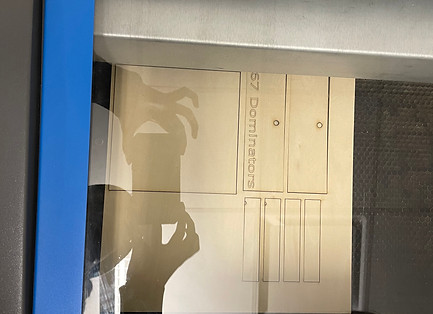
Project Overview - For the ENGN 108 Engineering Design Project, my team, 67 Dominators designed and built a laser-cut basswood catapult within the required 30 cm x 30 cm x 30 cm size limit using only the provided materials. Our final design included an engraved frame, a wooden dowel, rubber bands for tension, and a plastic spoon for launching.
We used Inkscape for digital design, the ODU M-Lab laser cutter for fabrication, and Excel for data testing. This project helped me apply the full engineering design process, from brainstorming to prototype testing to performance analysis.
1. Brainstorming - Each teammate created individual sketches based on the project’s size and material restrictions. My design focused on stability, adjustable launch angles, and simple assembly. After comparing ideas, we combined our strongest concepts into one final design.
This step showed me how teamwork and creativity drive effective engineering solutions.
2. Prototype - Our prototype used popsicle sticks, a plastic spoon, rubber bands, and hot glue. Testing the prototype helped us identify early weaknesses:
- Base instability
- Angle inconsistency
- Uneven tension
We improved these issues by reinforcing the base and selecting a 45° launch angle for better distance and accuracy.
3. Inkscape Design - I recreated our design in Inkscape to prepare it for laser cutting. I learned how to:
- Use Path and Align tools
- Keep measurements inside the 30 cm limit
- Create joints that fit correctly
- Ensure symmetrical and clean digital parts
I learned how precise computer-aided design must be, small measurement errors affect assembly later.
4. Laser Cutting (M-Lab) - Using the ODU M-Lab laser cutter, we cut the basswood pieces needed for assembly. I learned how to:
- Adjust power and speed settings
- Avoid burning the material
- Align files correctly
- Follow proper safety procedures
Seeing a digital design turn into real parts was one of the most exciting steps of the project.
5. Assembly - Using wood glue, rubber bands, the dowel, the engraved frame, and our laser-cut pieces, we assembled our final catapult. Teamwork was essential to ensure everything aligned correctly for consistent performance.
This stage strengthened my understanding of precision and collaboration in engineering design.
6. Testing - After assembly, we will record:
- Launch distances
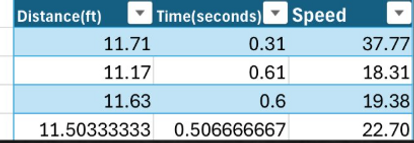
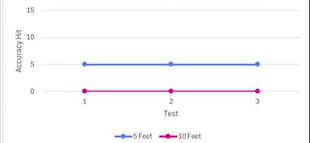
- Accuracy measurements
- Best-performing angles
- Consistency across trials
- Tension comparisons
We will display our data with Excel charts such as:
- Distance bar graphs
- Line graphs for accuracy
- Scatterplots for trial comparison
Bean Bag / Hacki Sack
Ping Pong Ball
Accuracy Test with Ping Pong Ball
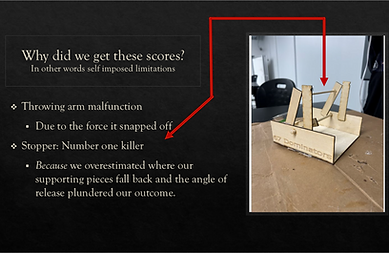
7. Limitations & Future direction - To be completed after testing, including:
- Structural weaknesses
- Stability improvements
- Arm redesign ideas
- Performance optimization
- Material changes
8. Presentation - This section will include:
- Presentation slides
- Key results
- My role in the design
- Lessons learned
- Final takeaways








Courses
1. Pre-Semester Goals
Before starting ENGN 108, I had a few goals for myself as a new engineering student. I wanted to learn what engineering really looks like at the college level and understand the different steps involved in the engineering design process. I also wanted to strengthen my problem-solving skills and get more comfortable working with hands-on projects, since engineering is not just about math, it’s also about creating, testing, and improving ideas.
Another goal I had was to improve my time management and organization. Coming into college, I knew that engineering requires discipline, good study habits, and the ability to balance multiple assignments at once. I hoped this class would help me build better routines and show me strategies for staying on track academically.
Lastly, I wanted to become more confident in using engineering tools and software. I had never used programs like Inkscape or worked with laser cutters before, so I hoped ENGN 108 would help me build those skills early. Overall, I came into the course wanting to grow as both a student and a future engineer.
2. Course Work Reflection
During the first few weeks of ENGN 108, I gained a much better understanding of myself as a learner and what it means to be successful in an engineering program. One of the most important things we covered was learning styles. Taking the learning style assessment helped me understand how I absorb information best, which made me more intentional about how I study for classes. We also learned about different methods for note-taking, such as the Cornell method, outlining, and visual mapping. This helped me see that being organized improves how well I remember and apply new concepts.
Time management was another major focus early in the course. I learned how important it is to plan ahead, break down assignments into smaller parts, and avoid procrastination. Using tools like planners, weekly schedules, and checklists helped me stay on track with my work in all of my classes. We also explored DegreeWorks, which gave me a clearer picture of my academic pathway and helped me understand how my courses build toward the Civil Engineering degree.
These first weeks helped me develop better habits as a college student. They gave me the foundation I needed to manage my workload, stay organized, and communicate more effectively. These skills supported me throughout the rest of the semester, especially during the engineering design project.
3. Post-Semester Reflection
This semester in ENGN 108 has helped me learn a lot about myself as a student, a teammate, and an emerging engineer. One of the biggest things I learned is how I work and learn best. Through the learning style activities, class discussions, and my own experience with college-level work, I realized the importance of planning ahead, managing time wisely, and staying organized, especially as an engineering major. Tools like DegreeWorks also helped me see the bigger picture of my academic path and understand how each course connects to my long-term goals of becoming a civil engineer.
The skills and strategies I gained in this course will continue to help me throughout my engineering journey. Using Inkscape taught me the importance of precision and accuracy in digital design, while the M-Lab laser cutter showed me how computer drawings become real parts in the fabrication process. The design project also pushed me to think critically, solve problems, revise ideas, and pay attention to detail. I also learned how important it is to communicate with teammates, divide tasks, and combine ideas in a way that makes sense for the whole project. These experiences helped me understand that engineering is not just about building something, it’s about planning, testing, adjusting, and working with others to find the best solution.
Participating in the Engineering Design Project changed the way I view engineering and teamwork. Going through every stage of the design process, from brainstorming and prototyping to assembly and testing gave me a clearer understanding of what engineers do in real life. I saw how each small decision affects the performance of the final product and how teamwork makes the process stronger. It taught me patience, problem-solving, communication, and how important it is to stay focused on the requirements of a project.
Moving forward, I will carry a stronger mindset into future semesters. I’ve learned that progress comes from asking questions, using resources, and allowing myself to grow from mistakes. I want to continue building better study habits, improving my technical skills, and staying involved in the engineering community at ODU.
This portfolio represents the beginning of my engineering journey. As I continue learning and completing more projects, I plan to update it with new skills, experiences, and accomplishments. I’m proud of the foundation I built this semester, and I’m excited to see how much more I will grow as a future civil engineer.
